Clinical, Demographic, and Respiratory Mechanics Factors Associated with the Duration of Invasive Mechanical Ventilation in Pediatric Patients in the Pediatric Intensive Care Unit of a Public Hospital in Córdoba, Argentina (2024–2025)
DOI:
https://doi.org/10.56538/ramr.PAUE8754Keywords:
Mechanical Ventilation, Pediatric Intensive Care Units, Respiratory Mechanics, Respiratory InsufficiencyAbstract
Background: Balancing the risks of premature extubation against the complications associated with prolonged mechanical ventilation (PMV) remains a major challenge in critically ill pediatric patients. This study aimed to analyze the relationship between clinical, demographic, and respiratory mechanics (RM) variables and the duration of invasive mechanical ventilation (IMV) in a pediatric intensive care unit in Córdoba, Argentina.
Materials and Methods: An observational, analytical, retrospective, longitudinal study was conducted.
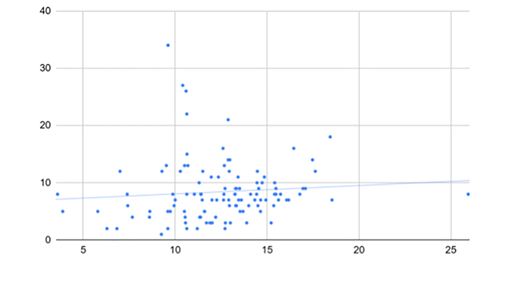
Results: A total of 110 patients were included, with a median age of 1 year (IQR: 0.41–3). Males accounted for 55% of the sample, and bronchiolitis was the primary diagnosis in 36.5% of mechanically ventilated patients. The median duration of IMV was 8 days (IQR: 5–10), and the PMV rate was 12%. Female sex (p=0.008), body weight ≤10 kg (p=0.003), age <2 years (p=0.01), and driving pressure (DP) (r=0.19; p=0.04) were significantly associated with longer IMV duration. PMV was not associated with age <2 years (p=0.47), body weight ≤10 kg (p=0.32), or oxygen saturation index at admission (p=0.09), but was significantly associated with mean airway pressure (MAP) (p=0.04).
Conclusion: Age <2 years, body weight ≤10 kg, female sex, and DP were associated with longer IMV duration, whereas MAP was associated with PMV. Respiratory mechanics parameters may contribute to the early identification of patients at risk for prolonged ventilatory support.