PULMONARY SEQUESTRATION TREATED WITH ANATOMIC SEGMENTECTOMY: CASE REPORT
DOI:
https://doi.org/10.56538/ramr.CTJD4839Abstract
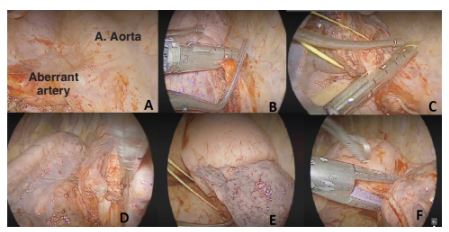
Pulmonary sequestration is a rare congenital lung malformation. It is characterized by an abnormal mass of dysplastic lung tissue supplied by an anomalous systemic artery separated from the normal bronchopulmonary tree. Misdiagnosis and inadequate treat ment can lead to recurrent pneumonia and fatal hemoptysis. We present the case of a 43-year-old male patient who was diagnosed with pulmonary sequestration. It continues with a brief review of the clinical characteristics, diagnostic strategies and management options. Resection of the left basal pyramid was performed by Videothoracoscopy in a patient who presented cough and hemoptosis. The chest computed tomography with contrast previously performed revealed a feeding artery from the descending aorta. Symptomatic patients with pulmonary sequestration should be treated surgically to avoid the risk of death from massive hemoptysis