Alpha-1 Antitrypsin Deficiency: the Challenge of Reducing the Underdiagnosis
DOI:
https://doi.org/10.56538/ramr.OEUE8475Keywords:
Alpha 1-Antitrypsin Deficiency, Pulmonary Emphysema, Pulmonary Disease, Chronic Obstructive, Phenotype, ArgentinaAbstract
Introduction: Alpha-1 antitrypsin deficiency (AATD) is a hereditary genetic disorder characterized by a reduction in serum concentrations of this protein, predisposing affected individuals to a significantly increased risk of pulmonary and hepatic diseases. Despite being a well-recognized condition, AATD remains substantially underdiagnosed globally and regionally, largely because of low clinical suspicion.
Objective: This cross-sectional, retrospective study aimed to determine the prevalence and clinical characteristics of AATD in patients evaluated at a university hospital in Córdoba, Argentina, between June 2023 and June 2025.
Materials and methods: The study included 339 patients, of whom 18 had serum alpha-1 antitrypsin levels < 120 mg/dL.
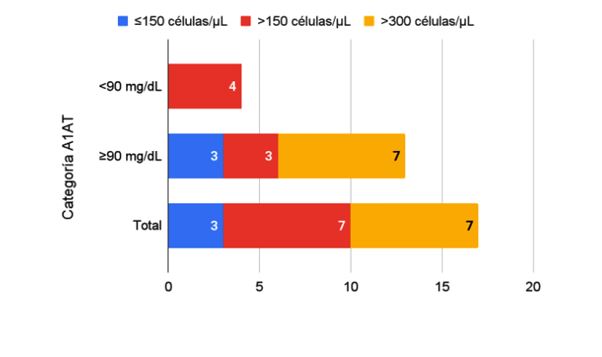
Results: A 0.88% prevalence of severe AATD was confirmed. Low alpha-1 antitrypsin levels were significantly associated with pulmonary emphysema, independent of smoking history, age, and sex. In addition, serum alpha-1 antitrypsin levels were positively correlated with forced expiratory volume in 1 second (FEV₁). Among patients with concentrations in the lower reference range, liver disease and eosinophilia were the most frequent associated findings.
Conclusions: Systematic screening for AATD in patients with chronic obstructive pulmonary disease (COPD) or liver disease is crucial for ensuring timely diagnosis.